Match the document to the proposed model and assembly. A test result describes a particular sample and scope; it should not be expanded into a claim that every product is certified for every market.
Match the sample to the quotation
Compare model numbers, dimensions, material, grate arrangement and support details. Ask the supplier to explain any differences between the tested sample and the proposed supply. Keep the complete report, including pages describing the sample and method.
Separate test scope from marketing language
Identify what was measured and which acceptance criteria were used. Load, slip, material and corrosion tests answer different questions. Check the report date and the standard edition against the current project specification with the responsible reviewer.
Check certification through the issuing scheme
For Australian projects, use the official WaterMark resources to establish whether the product category requires certification and verify applicable products in the database. A laboratory report alone is not a substitute for checking the relevant certification status.
Keep a document register
Record which evidence supports each project requirement and who reviewed it. Request clarification where the connection between the document and the proposed assembly is unclear.
- Document issuer, report or certificate number and date.
- Model and assembly covered by the document.
- Test method, scope, conditions and stated results.
- Current certification status where the scheme applies.
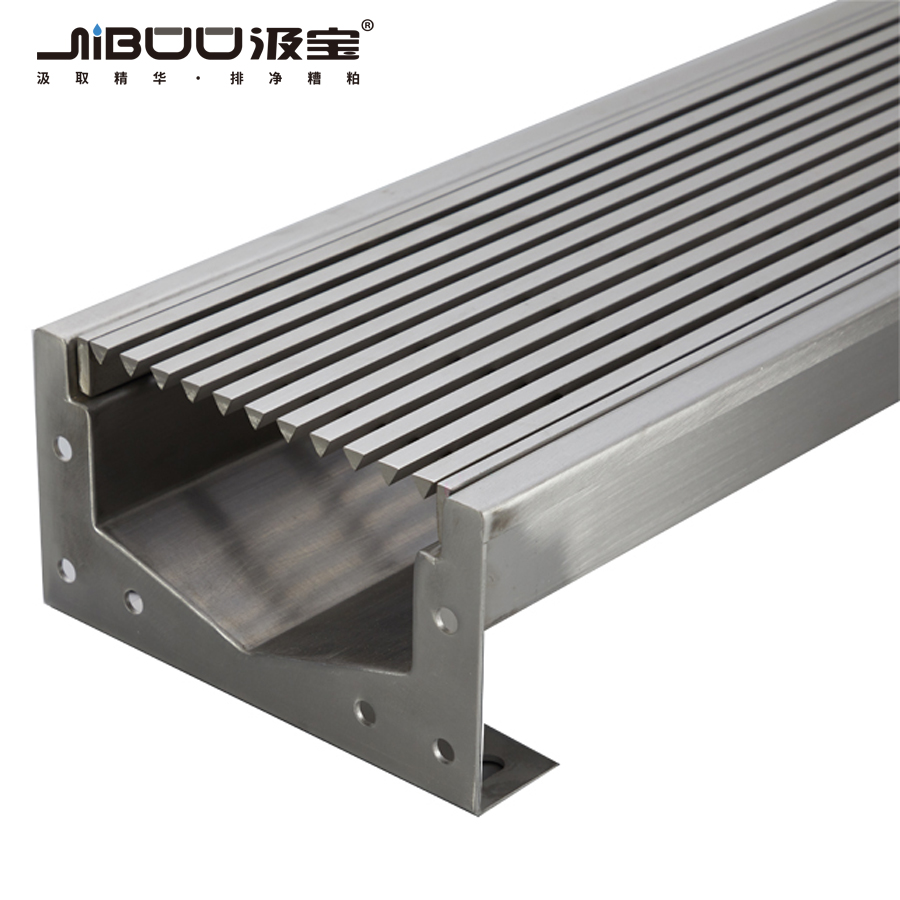
Explore the components mentioned in this guide. The pictured product illustrates a drainage assembly; suitability depends on the project specification.
View product references ↗This guide supports project discussions. Final selection and installation should follow the approved design, the product documentation and applicable local requirements.