Follow the instructions for the installed assembly and the site's cleaning procedure. Keep drainage accessible for inspection and select cleaning products compatible with the materials and seals.
Keep the correct instructions on hand
Record the drain model, material and removable components. Keep the supplier's cleaning instructions with the facility procedure. Product-specific instructions matter because assemblies may contain seals and other components with different chemical compatibility.
Plan access and routine inspection
Schedule inspection and debris removal to suit actual use. Record whether baskets, traps and channel surfaces can be reached without moving fixed equipment. Drainage cleaning is part of hygiene management in food preparation and processing environments.
Document problems before choosing a remedy
If staining, odour or slow drainage appears, record its location, timing and operating conditions. Take clear photographs and note any changes in the cleaning process. Ask the supplier or maintenance specialist to assess the issue rather than assuming every mark has the same cause.
Use a simple maintenance log
Keep a record that a new team member can understand. Include the action taken and any follow-up needed.
- Date, location and person completing the inspection.
- Debris removed and components checked.
- Cleaning product and procedure used.
- Observed damage, recurring slow drainage or inaccessible areas.
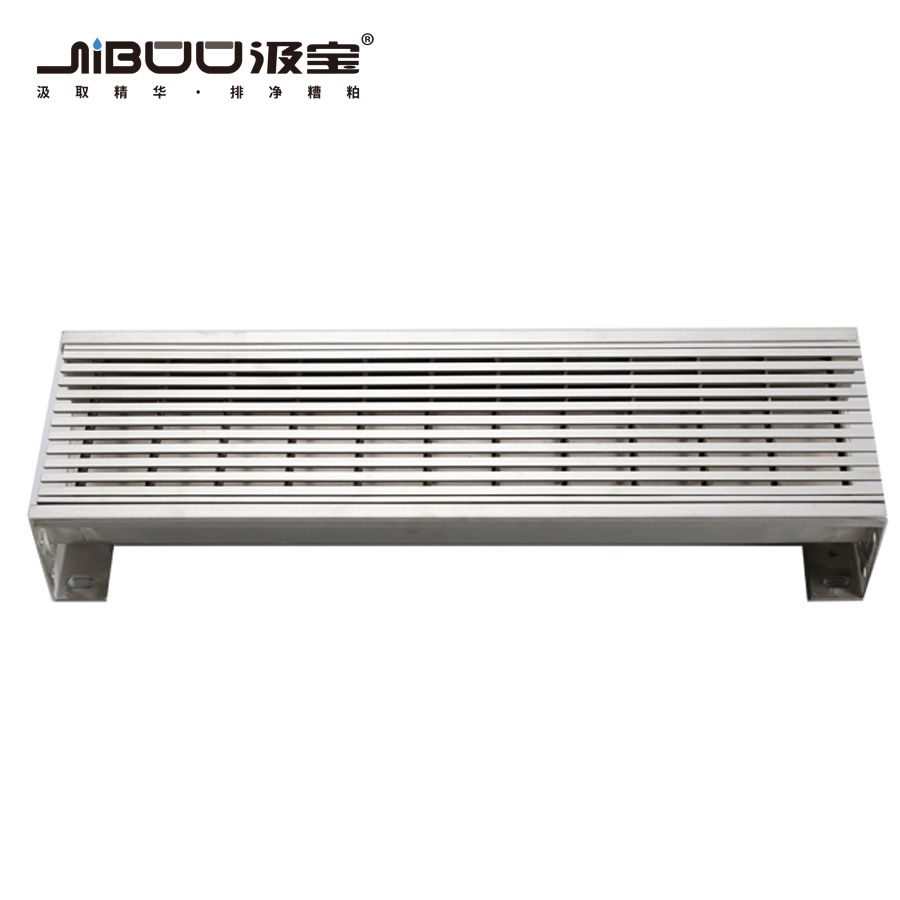
Explore the components mentioned in this guide. The pictured product illustrates a drainage assembly; suitability depends on the project specification.
View product references ↗This guide supports project discussions. Final selection and installation should follow the approved design, the product documentation and applicable local requirements.