MATERIAL SELECTION GUIDE
304 vs 316 Stainless Steel for Drainage
The right choice depends less on the word “better” and more on the actual environment: chlorides, cleaning chemicals, water quality, temperature, maintenance and expected service life.
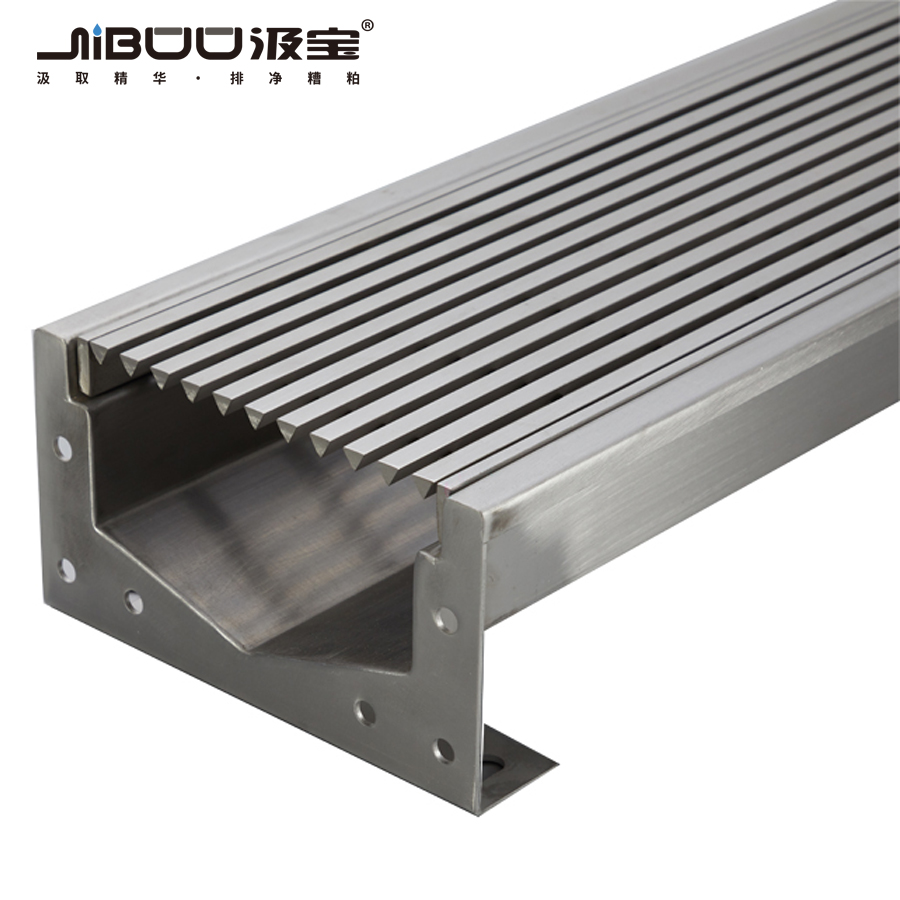
Start with the exposure environment
For many indoor drainage applications, 304 stainless steel is commonly considered because it offers useful corrosion resistance and is widely available. Where chloride exposure, marine influence, pool environments or more aggressive cleaning conditions are present, 316 may deserve closer consideration.
Questions to ask before choosing
- Will the drain be exposed to salt, pool chemicals or chlorides?
- What cleaning chemicals and concentrations are used?
- Is the area continuously wet or regularly dried?
- Is the installation indoors, outdoors or near the coast?
- How easy is routine cleaning and inspection?
Do not specify material in isolation
Drainage performance also depends on fabrication quality, surface condition, weld treatment, cleaning practices and whether debris or chemicals remain trapped in the system.
| Factor | 304 | 316 |
|---|---|---|
| General indoor wet areas | Often considered | May be used where higher corrosion margin is desired |
| Chloride exposure | Needs closer review | Often considered more suitable |
| Pool / coastal influence | Review carefully | Commonly evaluated |
| Cost | Usually lower | Usually higher |
This guide is a practical selection overview, not a substitute for project-specific engineering, chemical-compatibility review or local-code requirements.