How to Choose Drainage for a Commercial Kitchen
Before choosing a drain, understand how water, grease, solids, people and cleaning equipment move through the space.
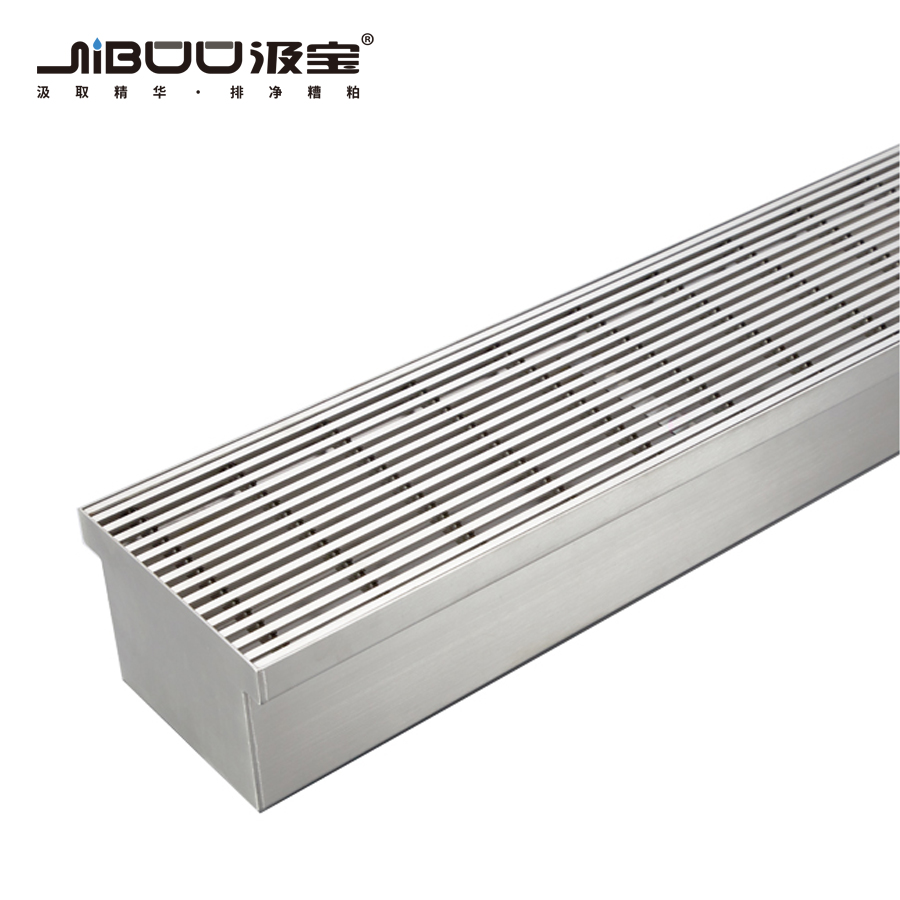
1. Map where water is actually generated
Dishwashing areas, preparation zones, cooking lines and cleaning points can create very different drainage loads. The drain should be positioned around the actual water path, not only where it is visually convenient.
2. Decide between point drains and channels
Point drains collect water locally. Linear channels can intercept water across a longer edge or work zone. The correct choice depends on floor falls, cleaning method, equipment layout and expected flow.
3. Think about cleaning access
Removable grating, accessible baskets or strainers, smooth internal surfaces and practical access to outlets can matter as much as the external appearance.
4. Confirm material and chemical exposure
Check detergents, degreasers, disinfectants, salt and temperature. Material selection should reflect the actual cleaning regime.
5. Confirm load and grating use
Foot traffic, carts and wheeled equipment affect grating choice and support requirements. The drain should be reviewed for the actual service condition.
6. Give the supplier complete project information
Useful information includes channel length, width, depth, outlet size and position, floor build-up, material, grating preference, quantity, drawings and installation location.